

On line trading remains to evolve quickly as engineering reshapes how investors interact with world wide economic markets. Among the most trusted solutions, the forex trading sticks out as a trusted environment that combines analytical resources, computerized trading features, and user-friendly design to support equally novices and experienced traders. As financial areas be active, traders increasingly count on programs that provide real-time knowledge, tailor-made graphs, and effective purchase execution. That shift has encouraged a broader understanding of complex signs, algorithmic trading techniques, and risk management techniques. With one of these advancements, traders could make more informed conclusions while adapting rapidly to advertise changes, ensuring improved consistency and strategic development inside their trading activities.
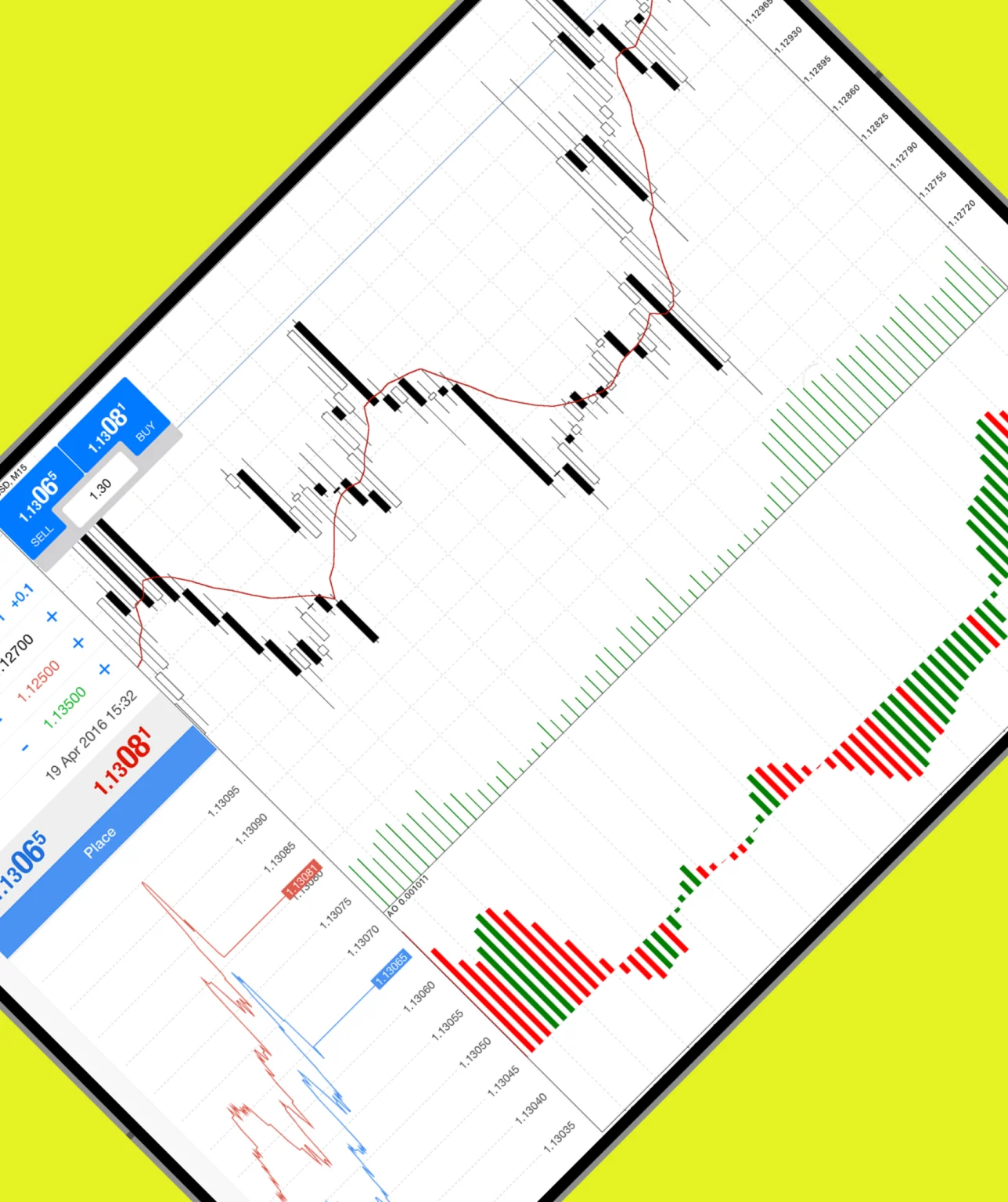
Recent industry findings suggest a regular increase in the usage of electronic trading technologies across world wide financial ecosystems. Retail involvement has expanded considerably, driven by easier access to online trading conditions and sophisticated logical tools. Several traders today prioritize techniques that provide computerized techniques, real-time graph upgrades, and incorporated risk assessment features. Business ideas claim that a big part of active players count on algorithm-based signs to improve decision-making efficiency. Furthermore, portable convenience and seamless synchronization are becoming important expectations among users who need flexibility in monitoring cost movements. The rising emphasis on data-driven trading highlights a clear shift from handbook model toward structured, technology-supported methods, permitting quicker tendencies to volatility and more precise moment in industry execution.
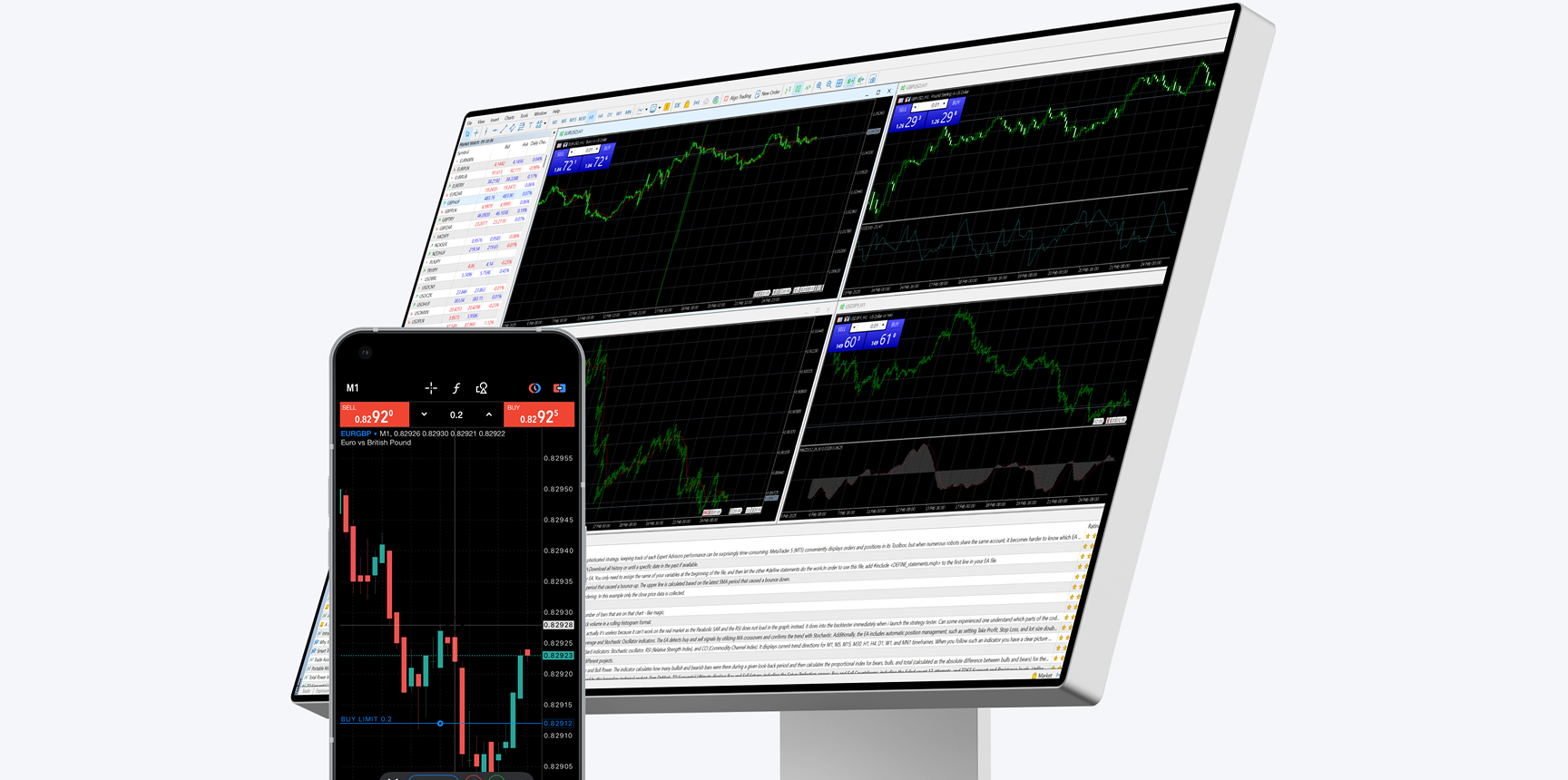
Modern trading surroundings are described by advanced functionalities that help equally specialized evaluation and automated execution. Traders take advantage of extensive planning systems, multiple time-frame analysis, and custom-made indications that help recognize industry patterns with higher precision. The integration of automatic strategies enables people to perform trades predicated on predefined conditions, reducing mental prejudice and increasing consistency. Efficient execution programs assure small wait during unpredictable industry problems, which is required for maintaining precision in fast-moving economic environments. Additionally, protection levels and protected knowledge handling help safeguard person information and transactional integrity. These functions collectively build a well balanced and effective environment wherever traders may analyze options, manage risks effortlessly, and construct structured techniques for long-term efficiency improvement.
Over all, modern trading answers continue to evolve in a reaction to raising industry complexity and user need for smarter tools. Traders nowadays find tools that mix pace, detail, and logical depth inside a simple interface. This evolution shows a broader change toward sensible trading ecosystems wherever information and automation come together to enhance outcomes. As engineering remains to advance, traders who adopt structured methods and power strong analytical resources are better situated to steer uncertainty and obtain regular results in international financial markets.