

The landscape of worldwide training is fast moving, with an increase of individuals seeking surroundings that mix academic rigor with social immersion. Recent demographic knowledge features a significant development among expatriate and local individuals prioritizing globally recognized curriculums around typical regional offerings. When analyzing that regional change, enrolling young ones in an middle school phuket offers an original blend of high academic requirements and an enriching exotic lifestyle. Parents are increasingly depending on data-driven academic outcomes to produce educated conclusions about their children's futures, moving far from traditional training versions toward institutions that positively foster worldwide citizenship, critical considering, and adaptability.
What Does the Knowledge State About World wide Curriculum Ownership?
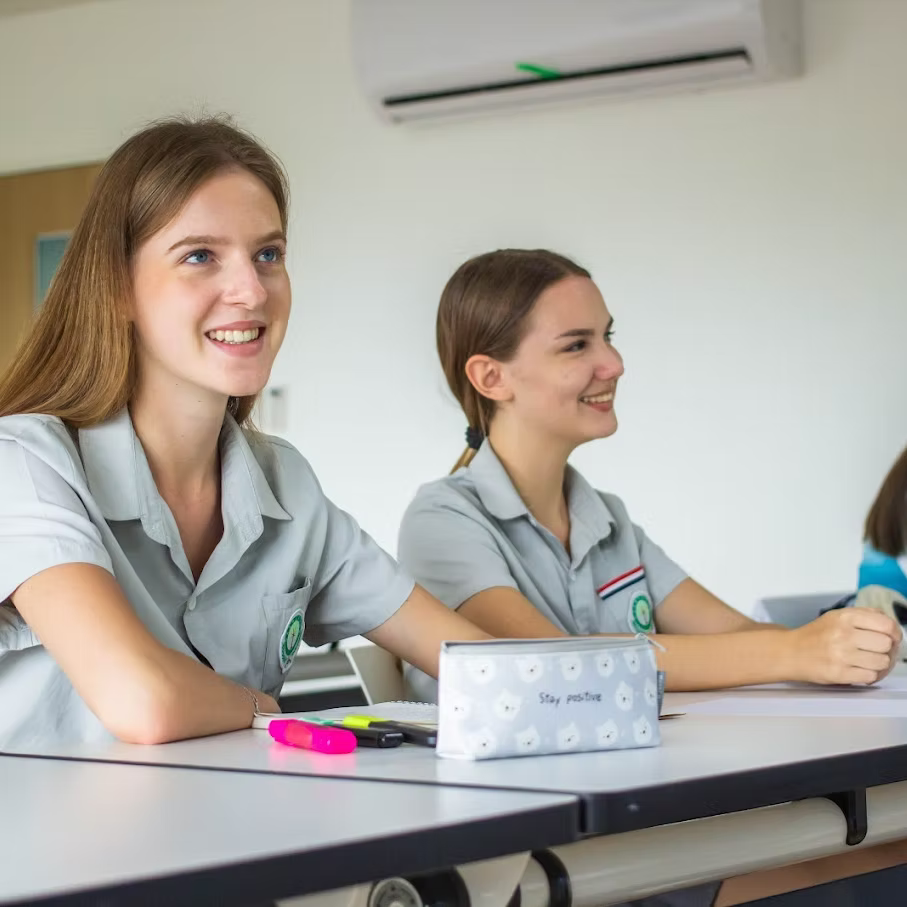
Educational researchers have followed a steady raise in the need for substitute curriculums in Southeast Asia. Data indicate a quarter-hour year-over-year growth in enrollments at globally licensed institutions in the region. This spike is essentially driven by the wish for curriculums such as the International Baccalaureate (IB) or the English Cambridge process, which are acknowledged by universities worldwide. Information demonstrates pupils graduating from these specific programs have a 22% larger approval rate in to top-tier world wide universities compared to these graduating from standardized national programs. Parents realize these numbers and view this educational course as a measurable expense in larger knowledge accessibility.
How Do Student-to-Teacher Ratios Impact Understanding Outcomes?
A primary metric parents evaluate when selecting a school is the student-to-teacher ratio. Conventional community schooling methods frequently work with ratios as high as 30 or 40 students per educator. In comparison, premium educational facilities an average of keep a strict proportion of around 15 to 1. Statistical analyses of classroom makeup reveal that decrease ratios directly correlate with increased academic efficiency and higher student wedding metrics. Teachers in smaller classrooms may commit as much as 40% more individualized instructional time per student. This individualized attention guarantees that understanding holes are identified and resolved instantly, leading to consistently higher standardized test ratings across all key subjects.
Are Language Applications Offering Measurable Results?
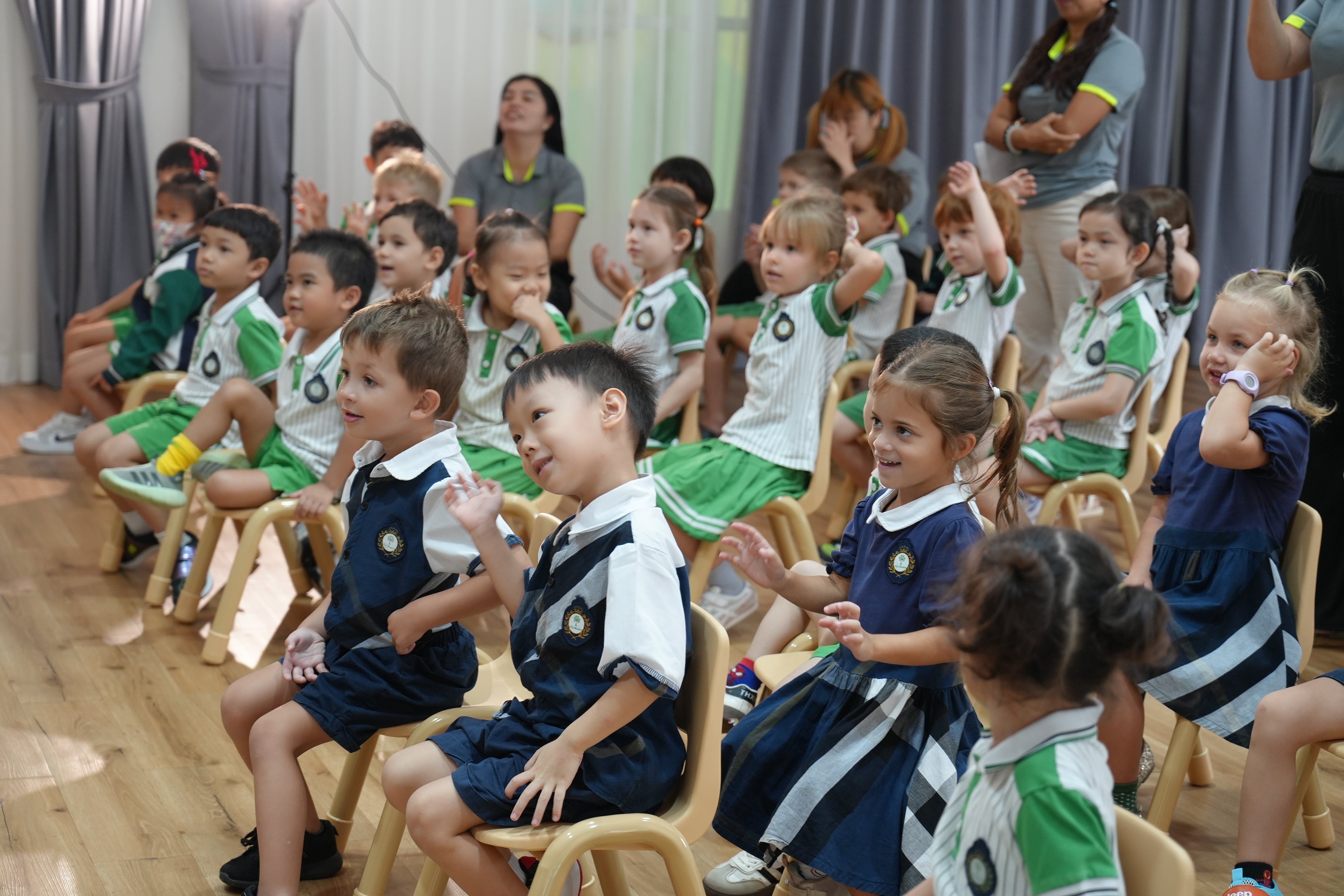
Bilingualism and multilingualism are extremely appreciated in the modern world wide economy. Institutions prioritizing early language exchange display amazing achievement rates. Reports stress that students submerged in dual-language conditions before the age of five demonstrate a half an hour development in cognitive mobility and problem-solving skills. By providing effective Mandarin, German, and English applications, these instructional centers offer pupils with measurable linguistic proficiency. Analysis knowledge constantly implies that students in these situations obtain fluency three times faster than those learning languages through conventional elective courses.
Creating an Knowledgeable Choice for Your Child's Future
Selecting the most appropriate educational course needs balancing qualitative environmental facets with quantitative academic outcomes. The statistics obviously illustrate why families are making purposeful choices to spend in internationally acknowledged academic frameworks. The combination of positive student-to-teacher ratios, established curriculum achievement rates, and measurable language acquisition generates a powerful, data-backed argument. By analyzing these important metrics, parents can confidently protected an academic basis that guarantees long-term academic and skilled accomplishment because of their children.